


Herniated Disc: When to Wait and When to Consider Treatment
The answer depends on your symptoms, how long they’ve been present, and how much they’re affecting your daily life.
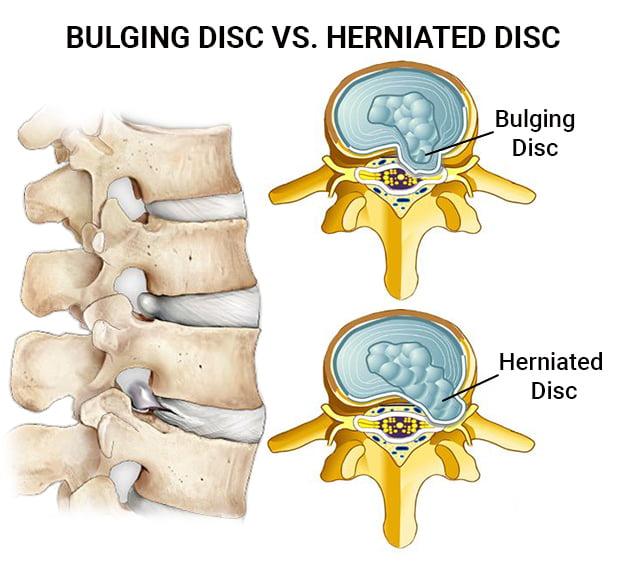
If you’ve been told you might have a herniated disc, or you suspect one, you’re probably asking the same question most patients do:
“Will this get better on its own, or do I need treatment?”
The answer depends on your symptoms, how long they’ve been present, and how much they’re affecting your daily life.
What is a herniated disc, really?
Your spine is made up of bones with soft discs in between that act like cushions.
When one of these discs shifts or bulges out of place, it can press on nearby nerves. This pressure is what causes pain, tingling, or numbness.
For some people, the pain stays in the lower back. For others, it travels down the leg, which is commonly known as sciatica.
When it’s okay to wait
In many cases, mild symptoms improve over time.
With the right support, such as rest, physical therapy, and medication, the body can gradually heal. If the pain is manageable and improving, a conservative approach may be enough.
This is why not every herniated disc requires immediate intervention.
When waiting is not the best option
There are situations where delaying treatment can make things worse.
You should consider seeing a specialist if:
- The pain is severe or getting worse
- Pain is traveling down your leg
- You feel numbness or tingling
- There is weakness in the leg
- Symptoms are not improving after a few weeks
These signs usually indicate nerve involvement, which needs attention.
Why nerve pain should not be ignored
Nerves are sensitive.
When pressure on a nerve continues for too long, it can lead to more persistent pain and, in some cases, long-term damage.
That’s why early evaluation is important, especially if symptoms are progressing.
What treatment options are available?
The good news is that treatment is not always surgical.
Depending on your condition, options may include:
- Guided physical therapy
- Medications to reduce inflammation
- Targeted injections to relieve pressure on the nerve
- Minimally invasive procedures
The goal is to reduce pressure on the nerve and help you return to normal activity.
Finding the right approach
Every patient is different.
What works for one person may not be the right solution for another. That’s why a personalized evaluation is key to choosing the most effective treatment.
Living with nerve pain can affect everything from how you sit to how you sleep.
👉 Schedule a consultation today to understand your condition and explore the best treatment options for lasting relief.